Integrating the Fox Tail Icon Vector Element Template into Professional Design Workflows
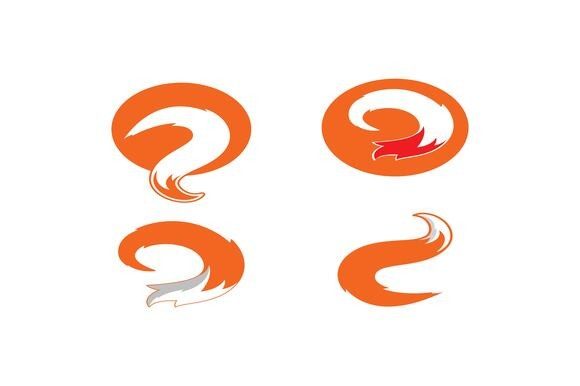
In the fast-paced world of digital content creation, consistency and efficiency are not just buzzwords; they are the pillars of a sustainable creative practice. Whether you are a freelance graphic designer building a brand identity for a boutique coffee shop, a marketing manager assembling a quarterly social media calendar, or an educator designing engaging course materials, the assets you choose define the quality of your output. One specific asset that has gained traction for its versatility and aesthetic appeal is the Fox Tail Icon Vector Element Template. This resource is more than a simple graphic; it is a functional component that can streamline your design process when integrated correctly into your broader workflow.
Understanding how to leverage this template requires looking beyond its visual appearance. It demands a strategic approach to asset management, compatibility checks, and contextual application. By treating the fox tail icon as a modular piece of a larger puzzle, creators can save time, maintain visual coherence, and elevate the perceived value of their projects. This article explores the practical implementation of this vector element, focusing on how it fits into pre-production planning, active design phases, and final quality control.
The Strategic Value of Vector Assets in Modern Design
Before diving into the specific uses of the fox tail motif, it is essential to understand why vector templates are preferred in professional environments. Unlike raster images (such as JPEGs or PNGs), vector files are built on mathematical paths. This means they can be scaled infinitely without losing resolution. For a Fox Tail Icon Vector Element Template, this scalability is crucial. You might need the icon to appear as a tiny favicon on a website header and later as a large print graphic on a promotional poster. A single vector file serves both purposes seamlessly.
Furthermore, vector templates offer unparalleled editability. In a typical workflow, a designer does not just drop an asset into a layout and leave it. They adjust colors to match brand guidelines, modify stroke weights for better visibility at different sizes, or combine elements to create unique compositions. The fox tail template provides a structured starting point, allowing professionals to bypass the tedious initial sketching phase and move directly to refinement and integration. This shift from creation to curation and modification significantly reduces project turnaround times.
Pre-Production: Planning and Compatibility Checks
The most common mistake creators make is selecting assets too late in the process. Integrating the Fox Tail Icon Vector Element Template should begin during the conceptualization phase. Before downloading or purchasing the template, consider the following preparatory steps:
- Brand Alignment: Does the stylistic nature of the fox tail—whether it is minimalist, hand-drawn, geometric, or realistic—align with the existing brand identity? A playful, curved tail might suit a children’s book publisher but clash with a corporate law firm’s serious tone.
- Technical Compatibility: Ensure the file format matches your software stack. Most professional designers work in Adobe Illustrator, Affinity Designer, or CorelDRAW. Verify that the template is available in AI, SVG, or EPS formats to ensure full layer editability.
- Licensing Review: Always check the usage rights. If you are working on a client project that will be trademarked or sold commercially, confirm that the template license permits such use. This prevents legal bottlenecks later in the project lifecycle.
By addressing these factors early, you avoid the frustration of discovering mid-project that an asset is technically incompatible or legally restricted. This proactive approach is a hallmark of experienced professionals who prioritize smooth execution over rushed improvisation.
Implementation: Integrating the Icon into Active Workflows
Once the template is selected and cleared for use, the next phase is implementation. This is where the Fox Tail Icon Vector Element Template transitions from a static file to a dynamic part of your design ecosystem. Here are several practical scenarios where this asset adds value:
Brand Identity and Logo Systems
The fox tail is a recognizable symbol often associated with cunning, agility, and warmth. In branding, it can serve as a standalone mark or a supporting element. When using the template, do not simply place it next to text. Instead, deconstruct the vector paths. You might isolate a specific curve from the tail to create a custom bullet point for presentations or a subtle watermark for documents. This method ensures that the icon feels bespoke rather than generic. By manipulating the anchor points, you can tailor the shape to complement the typography used in the logo, creating a cohesive visual language.
Digital Content and Social Media
For marketers and content creators, consistency across platforms is key to building recognition. The vector template allows you to generate multiple variations of the icon for different channels. For Instagram stories, you might use a bold, colored version of the tail as a frame element. For LinkedIn articles, a monochrome, simplified version might serve as a section divider. Because the source file is vector-based, you can export these variations at optimal resolutions for each platform without needing to recreate the design from scratch. This efficiency allows for rapid content production without sacrificing quality.
Print Materials and Packaging
When moving from screen to print, color management becomes critical. The Fox Tail Icon Vector Element Template should be converted from RGB (screen colors) to CMYK (print colors) early in the design process. Additionally, consider how the icon interacts with physical materials. If the design is for packaging, the tail’s lines might be embossed or foil-stamped. In such cases, simplify the vector paths to ensure clean printing results. Complex gradients or thin lines may not translate well to certain printing techniques, so adjusting the template’s complexity is a necessary step in the pre-press workflow.
Collaboration and Asset Management
In team environments, the way you handle shared assets like the fox tail icon can impact overall productivity. If multiple designers are working on a campaign, everyone needs access to the same version of the template. Storing the file in a centralized cloud repository with clear naming conventions (e.g., FoxTail_Icon_Master_v1.ai) prevents version control issues.
Moreover, document any modifications made to the original template. If one team member adjusts the stroke width for better legibility on mobile devices, this change should be communicated to others working on desktop layouts. This level of organization ensures that the final deliverables remain consistent, regardless of who executed specific tasks. It reflects a mature approach to collaborative design, where individual creativity is balanced with systemic order.
Quality Control and Long-Term Usability
The final stage of integrating the Fox Tail Icon Vector Element Template is quality assurance. Before finalizing any project, review the icon in context. Check for alignment issues, color clashes, and visual balance. Does the icon dominate the composition, or does it support the primary message? Sometimes, less is more. Reducing the opacity or simplifying the details can help the icon blend harmoniously with other elements.
From a long-term perspective, consider how this asset can be reused. A well-chosen vector template is not a one-time purchase; it is an investment in your design library. Save customized versions of the fox tail icon for future projects. Over time, you may build a collection of variations tailored to different industries or styles. This library becomes a valuable resource, allowing you to kickstart new projects with proven, high-quality elements. It reduces the cognitive load of starting from zero and enables you to focus on higher-level strategic decisions.
In conclusion, the Fox Tail Icon Vector Element Template is a versatile tool that, when used strategically, enhances both the efficiency and quality of design work. By focusing on preparation, technical compatibility, and thoughtful integration, professionals can transform a simple graphic into a powerful component of their visual communication. Whether you are refining a brand identity, creating social media content, or designing print materials, the key lies in understanding how this asset fits into your broader workflow. Embrace the flexibility of vector graphics, maintain rigorous organization, and always prioritize consistency. These practices will ensure that your use of such templates yields professional, polished, and impactful results.