Sweetening Digital Strategy: The Rise of Candy Element Vector Design Template Web
In the rapidly evolving landscape of digital marketing and web design, visual aesthetics play a pivotal role in capturing user attention and driving engagement. Among the myriad of design trends emerging in recent years, the Candy Element Vector Design Template Web has carved out a distinct niche. This trend is not merely about utilizing bright colors or playful shapes; it represents a strategic shift toward more approachable, emotionally resonant, and visually dynamic digital experiences. For professionals, creators, entrepreneurs, and marketers, understanding the utility and impact of these design assets is crucial for staying competitive in a saturated market.
Defining the Aesthetic: What Is a Candy Element Vector Design Template?
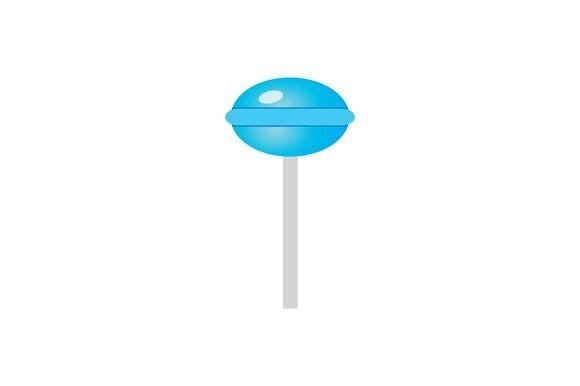
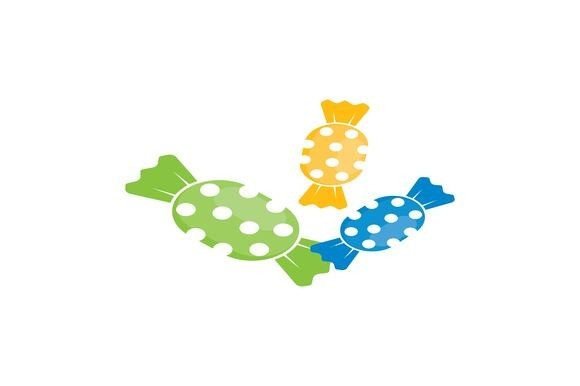
At its core, a candy element vector design template web refers to a collection of scalable graphic assets inspired by confectionery themes. These elements typically feature vibrant pastel or neon color palettes, glossy textures, rounded typography, and whimsical illustrations such as lollipops, donuts, ice cream cones, and wrapped sweets. Unlike raster images, vector graphics are resolution-independent, meaning they can be scaled to any size without losing quality. This technical advantage makes them ideal for responsive web design, where content must look crisp on everything from mobile phones to large desktop monitors.
The appeal of this aesthetic lies in its ability to evoke nostalgia and joy. By leveraging psychological associations with sweetness and reward, brands can create an immediate emotional connection with their audience. However, the application of these templates extends far beyond bakeries or candy stores. Tech startups, educational platforms, and lifestyle brands are increasingly adopting this style to soften their corporate image and appear more user-friendly.
The Strategic Value in Modern Branding
The adoption of Candy Element Vector Design Template Web assets aligns with broader shifts in consumer behavior and brand communication. Today’s consumers are inundated with information, leading to "banner blindness" and a decreased tolerance for sterile, corporate-looking interfaces. In response, brands are seeking ways to stand out through personality and playfulness. This is where the candy aesthetic proves invaluable.
Humanizing Digital Interactions
One of the primary reasons professionals are turning to these templates is the desire to humanize digital interactions. A website that utilizes soft curves, warm colors, and playful icons feels less like a transactional portal and more like an inviting space. For freelancers and small business owners, this approach lowers the barrier to entry for potential clients, making services feel accessible and friendly. For instance, a financial advisory firm might use subtle candy-colored accents in their infographics to make complex data feel less intimidating and more digestible.
Enhancing User Experience (UX)
Beyond aesthetics, these design elements serve functional purposes in UX design. Bright, contrasting colors can guide the user’s eye to call-to-action buttons, while whimsical illustrations can break up long blocks of text, improving readability and retention. The candy element vector design template web provides a pre-built library of these functional assets, allowing designers to streamline their workflow while maintaining high visual standards.
Aligning with Industry and Technology Trends
The popularity of candy-inspired vectors is not an isolated phenomenon but part of larger trends in technology and design. As web technologies advance, browsers can handle more complex animations and interactive elements without compromising performance. Vector graphics, particularly those formatted in SVG (Scalable Vector Graphics), are lightweight and code-friendly, making them perfect for modern, fast-loading websites.
- Mobile-First Design: With the majority of web traffic coming from mobile devices, the scalability of vector elements ensures consistent branding across all screen sizes.
- Dark Mode Compatibility: Many candy-themed palettes include high-contrast options that adapt well to dark mode interfaces, a standard feature in modern operating systems.
- Micro-Interactions: Vector assets can be easily animated using CSS or JavaScript, enabling engaging micro-interactions that delight users without slowing down the site.
Furthermore, the rise of no-code and low-code platforms has democratized web design. Entrepreneurs and marketers without extensive coding knowledge can now drag and drop Candy Element Vector Design Template Web components into their sites, achieving professional-grade results quickly. This accessibility has fueled the trend’s growth, allowing smaller players to compete with larger corporations in terms of visual appeal.
Changing Workflows and Creator Expectations
The demand for ready-made, high-quality design assets reflects a shift in how creative professionals work. Time is a scarce resource, and the pressure to produce content rapidly has led to a preference for modular design systems. Instead of creating every icon and illustration from scratch, designers are curating libraries of versatile elements that can be mixed and matched.
This change in workflow emphasizes efficiency without sacrificing uniqueness. A well-curated candy element vector design template web kit allows a designer to maintain a cohesive brand identity while experimenting with different layouts and compositions. For agencies managing multiple clients, this modularity is essential for scaling operations and delivering consistent quality across diverse projects.
Customization and Flexibility
While templates provide a starting point, their true value lies in their customizability. Vector files allow designers to adjust colors, shapes, and sizes to fit specific brand guidelines. This flexibility ensures that while the underlying aesthetic may be trendy, the final output remains unique to the brand. Professionals are increasingly looking for templates that offer this balance between trendiness and adaptability, avoiding the risk of their website looking generic or dated.
Practical Applications Across Industries
To understand the versatility of this design trend, consider its application across various sectors:
- E-commerce: Online stores selling beauty products, children’s toys, or gourmet foods use candy-colored vectors to create a sense of indulgence and fun. Product pages featuring these elements often see higher engagement rates due to their visual appeal.
- Education and EdTech: Learning platforms utilize playful graphics to make educational content more engaging for students of all ages. The friendly aesthetic reduces anxiety associated with learning new skills.
- Health and Wellness: Apps focused on mental health or fitness often use soft, inviting colors to create a calming and supportive environment. The gentle nature of candy-inspired designs can help reduce stress and encourage regular usage.
- Tech Startups: SaaS companies are moving away from cold, blue-dominated interfaces toward warmer, more inviting palettes. Using Candy Element Vector Design Template Web assets helps these companies appear innovative yet approachable.
Navigating the Trend with Professional Insight
While the candy aesthetic is powerful, it requires careful execution to avoid appearing childish or unprofessional. The key is moderation and context. Designers must ensure that the playful elements do not overshadow the core message or functionality of the website. Typography, spacing, and hierarchy must remain clear and intuitive, regardless of the decorative choices.
Moreover, accessibility should never be compromised for the sake of style. Color combinations must meet contrast ratios to ensure readability for users with visual impairments. Tools and templates that prioritize accessibility alongside aesthetics are becoming increasingly valuable in the market.
The Future of Playful Design
As we look forward, the integration of playful, candy-inspired elements into web design is likely to deepen rather than fade. This trend reflects a broader cultural shift toward authenticity, joy, and human-centric design. Consumers are seeking brands that align with their values and bring positivity into their daily lives. By adopting a candy element vector design template web strategy, businesses can signal that they are attuned to these desires.
For creators and entrepreneurs, staying ahead means not just following trends but understanding the underlying psychology and technology that drive them. Investing in high-quality, flexible design assets is a strategic move that pays dividends in user engagement, brand loyalty, and conversion rates. Whether you are redesigning a personal portfolio or launching a new product line, considering the role of playful, vector-based aesthetics can provide a competitive edge.
In conclusion, the Candy Element Vector Design Template Web is more than a fleeting fashion statement; it is a reflection of changing consumer expectations and technological capabilities. By embracing this trend with insight and precision, professionals can create digital experiences that are not only visually stunning but also emotionally resonant and functionally superior. As the digital landscape continues to evolve, the ability to blend creativity with strategy will remain the hallmark of successful design.