Mastering Sweet Aesthetics: A Guide to Candy Vector Element Concept Design
In the vibrant world of digital illustration, few styles capture attention quite like the playful, colorful realm of confectionery. Candy vector element concept design has emerged as a vital resource for creators seeking to infuse their projects with joy, nostalgia, and visual appeal. Whether you are designing packaging for a new beverage, creating social media graphics for a bakery, or developing assets for a mobile game, understanding how to effectively utilize these graphical elements can significantly elevate your work.
This article explores the nuances of candy-themed vector art, examining its practical applications, inherent benefits, and the considerations designers must keep in mind when integrating these sweet visuals into professional workflows.
Defining the Sweet Spot: What Is Candy Vector Design?
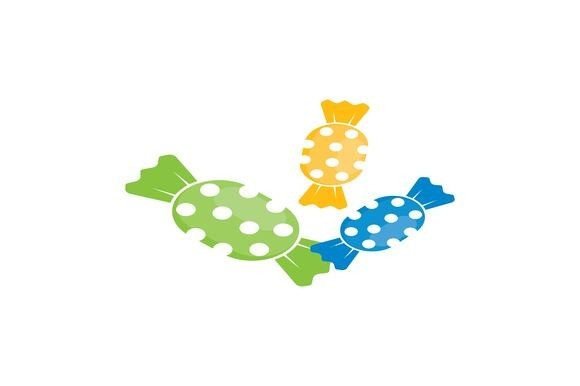
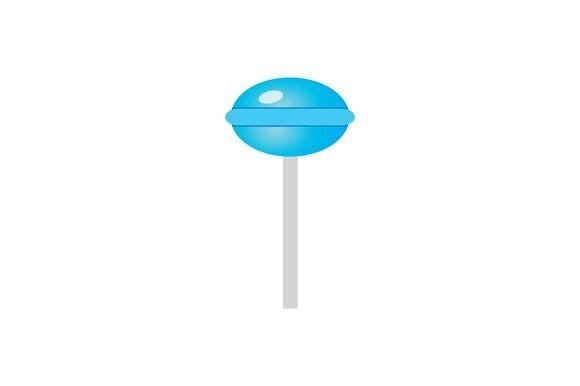
At its core, candy vector element concept design refers to scalable graphic illustrations that depict various types of sweets, such as lollipops, gummies, chocolates, hard candies, and wrapped treats. Unlike raster images (like JPEGs or PNGs), vector graphics are created using mathematical paths. This means they can be resized infinitely without losing quality or becoming pixelated.
The "concept design" aspect implies that these elements are not just random drawings but are crafted with specific aesthetic principles in mind. They often feature:
- Bold, saturated colors: To mimic the artificial yet appealing hues of real candy.
- Smooth gradients and highlights: To create a glossy, three-dimensional appearance that suggests texture and taste.
- Playful shapes: Rounded edges and organic forms that evoke feelings of comfort and fun.
For many professionals, starting from scratch is time-consuming. This is where a candy vector element concept design template web resource becomes invaluable. These online platforms offer pre-made libraries of high-quality vectors that designers can customize, saving hours of illustration time while maintaining professional standards.
Why Choose Vector Elements for Confectionery Themes?
The decision to use vector elements over other formats is driven by both technical necessity and creative flexibility. Here is why this approach is preferred in modern design:
1. Infinite Scalability
One of the primary advantages of vector graphics is resolution independence. A candy icon designed for a small mobile app button can be scaled up to cover the side of a delivery truck without any loss in clarity. This versatility is crucial for branding projects where logos and motifs appear across various mediums, from business cards to billboards.
2. Ease of Customization
Vector files, typically saved in formats like AI, EPS, or SVG, allow designers to manipulate individual components easily. You can change the color of a lollipop stick, adjust the shade of a gummy bear, or modify the shape of a wrapper with just a few clicks. This level of control ensures that the design aligns perfectly with your brand’s color palette and style guidelines.
3. Lightweight File Sizes
Compared to high-resolution raster images, vector files are generally smaller in size. This makes them ideal for web design, where loading speed is a critical factor for user experience and SEO. Fast-loading pages contribute to lower bounce rates and higher engagement.
Real-World Applications and Use Cases
The utility of candy vector element concept design extends far beyond the food industry. Its playful nature makes it suitable for a wide array of sectors. Let us look at some practical scenarios where these elements shine.
- Food and Beverage Packaging: Naturally, this is the most common application. Brands use these vectors to create eye-catching labels for sodas, candy bars, and dessert boxes. The glossy, appetizing look of vector candies can stimulate consumer desire.
- Children’s Education and Media: Educational apps, books, and websites often use candy motifs to make learning fun. Counting games, color recognition tools, and reward systems frequently incorporate sweet-themed icons to engage young users.
- Event Invitations and Stationery: For birthday parties, baby showers, or wedding favors, candy vectors add a whimsical touch to invitations, thank-you cards, and decorative banners.
- Digital Marketing and Social Media: In the crowded landscape of social media, bright and cheerful graphics stand out. Marketers use candy elements in posts promoting sales, giveaways, or seasonal campaigns to attract attention and convey a positive mood.
- User Interface (UI) Design: Gamification elements in apps often use candy-like buttons and rewards. Think of match-three games or fitness apps that reward users with virtual treats. These vectors provide the necessary assets for such interactive experiences.
Finding the Right Resources: Navigating Template Webs
When searching for a candy vector element concept design template web platform, quality and licensing are paramount. Not all templates are created equal, and choosing the wrong source can lead to legal issues or design limitations.
Here are key factors to consider when evaluating online resources:
- Licensing Terms: Always check whether the license allows for commercial use. Some free resources are limited to personal projects, while others require attribution. For business purposes, ensure you have the right to modify and distribute the designs.
- File Format Compatibility: Ensure the templates are available in formats compatible with your design software. Adobe Illustrator (.ai) and Encapsulated PostScript (.eps) are industry standards, but Scalable Vector Graphics (.svg) are increasingly popular for web development.
- Layer Organization: High-quality templates have well-organized layers. This allows you to easily isolate specific elements, such as separating the wrapper from the candy inside, facilitating deeper customization.
- Style Consistency: If you are building a cohesive brand identity, look for template packs that offer a consistent artistic style. Mixing overly realistic vectors with flat, minimalist icons can result in a disjointed visual experience.
Design Best Practices for Sweet Success
Having access to great templates is only half the battle. How you use them determines the effectiveness of your final product. Here are some expert tips for integrating candy vectors into your designs:
Maintain Visual Hierarchy: While candy elements are eye-catching, they should not overpower the main message. Use them as accents or background patterns rather than the focal point, unless the candy itself is the product. Ensure that text remains legible against colorful backgrounds.
Color Harmony: Candy colors are naturally bright, but clashing hues can be visually exhausting. Use a color wheel to select complementary or analogous colors. If the template uses a neon pink, balance it with softer pastels or neutral tones to create a pleasing contrast.
Context Matters: Consider your audience. A design for a children’s party can be chaotic and loud, featuring multiple types of candy and vibrant patterns. However, a premium chocolate brand might require a more subdued approach, using vector elements sparingly to suggest elegance rather than playfulness.
Avoid Clichés: While lollipops and gummy bears are popular, try to explore less common confections. Vector designs of macarons, artisanal truffles, or exotic fruits can offer a unique twist that sets your brand apart from competitors.
Limitations and Considerations
Despite their advantages, there are limitations to relying on template-based vector design. One significant concern is originality. Since templates are available to many users, there is a risk that your design may look similar to others. To mitigate this, always customize the elements. Change colors, combine different assets, or add unique typography to create a distinct identity.
Additionally, complex vector files with numerous gradients and effects can sometimes cause performance issues in older software or web browsers. It is essential to optimize files by removing unused anchor points and simplifying paths where possible.
Conclusion
Candy vector element concept design offers a powerful tool for creators looking to add warmth, fun, and visual interest to their projects. By leveraging the scalability and flexibility of vector graphics, designers can produce high-quality assets that resonate with audiences across various industries. Whether you are a seasoned professional or a novice creator, utilizing a reliable candy vector element concept design template web resource can streamline your workflow and inspire creativity.
Remember, the key to success lies not just in selecting the right images, but in how you adapt and integrate them into your unique vision. With careful consideration of licensing, style, and context, these sweet elements can help you craft designs that are not only visually appealing but also strategically effective. Embrace the playful potential of vector art, and let your creativity flourish.