Integrating Golden Shape into Your Digital Design Workflow
In the fast-paced world of digital creation, efficiency is not just a preference; it is a necessity. Whether you are a small business owner managing your own branding, a freelance graphic designer juggling multiple client deadlines, or an educator creating engaging visual materials, the tools you choose define the quality and speed of your output. This is where Golden Shape enters the conversation. It is not merely a static image; it is a strategic asset designed to streamline the creative process from conception to final production.
Understanding how to effectively integrate a digital asset like Golden Shape into your existing workflow requires more than just downloading a file. It demands a clear understanding of file compatibility, resolution requirements, and the specific role the asset plays in your broader design ecosystem. By treating this instant download as a foundational component of your project planning, you can eliminate common bottlenecks associated with asset preparation and focus on high-value creative decisions.
The Technical Foundation: Understanding the Asset
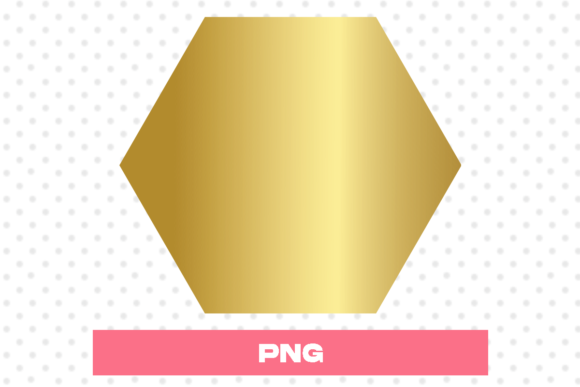
Before diving into application, it is crucial to understand what you are working with. When you acquire the Golden Shape instant download, you are receiving a ZIP folder containing a single, high-quality PNG file. While this may seem straightforward, the specifications matter significantly for professional use. The file is rendered at 300 ppi (pixels per inch) with a transparent background.
The 300 ppi resolution is the industry standard for high-quality printing. This ensures that whether you are producing business cards, brochures, product packaging, or large-format posters, the edges of the shape remain crisp and free from pixelation. For digital-only uses, such as social media graphics or web banners, this high resolution provides flexibility, allowing you to scale the image down without losing clarity, though scaling up beyond its original dimensions should be avoided to maintain integrity.
The transparent background is perhaps the most critical feature for workflow efficiency. In traditional design processes, removing backgrounds from complex shapes can be time-consuming and often results in imperfect edges. With Golden Shape, this step is already completed. This "ready-to-use" status allows for immediate layering over various backgrounds, textures, or photographs without the need for additional masking or editing software adjustments. This pre-processing saves valuable minutes per project, which accumulates into hours over a month of consistent work.
Pre-Production Planning and Compatibility
Effective use of Golden Shape begins before you even open your design software. Integration starts with organization. Upon downloading the ZIP folder, your first step should be extraction and archival. Store the original PNG in a dedicated assets library, categorized by theme or project type. This practice ensures that the file is always accessible for future iterations, preventing the need to repurchase or search for lost files.
Compatibility is another key consideration. The PNG format is universally supported across almost all major design platforms. Whether you are using industry-standard tools like Adobe Photoshop, Illustrator, or InDesign, or more accessible platforms like Canva, Cricut Design Space, or Silhouette Studio, the file will import seamlessly. However, understanding how different software handles transparent PNGs is essential. For vector-based workflows, note that PNG is a raster format. While it integrates well, it does not behave like a scalable vector graphic (SVG). Therefore, plan your canvas size accordingly to ensure the 300 ppi resolution aligns with your final output dimensions.
For those using cutting machines, such as Cricut or Silhouette, the transparency of the PNG is vital. Cutting software relies on clear contrast between the subject and the background to detect cut lines. A clean, transparent background ensures that the machine recognizes the exact boundaries of the Golden Shape, resulting in precise cuts without unwanted white borders or misaligned edges. This makes the asset particularly valuable for physical product creators, such as those making stickers, decals, or iron-on transfers.
Implementation in Creative Workflows
Once the technical setup is complete, the implementation phase begins. The versatility of Golden Shape allows it to function in various roles within a design project. Here are practical ways to integrate it into your daily operations:
- Brand Identity Enhancement: Use the shape as a foundational element in logo design or brand collateral. Its aesthetic can serve as a backdrop for text or a framing device for product photography, creating a cohesive visual language across your marketing materials.
- Social Media Content Creation: In the rapid cycle of social media posting, templates are essential. Incorporate Golden Shape into your master templates for Instagram stories, Pinterest pins, or LinkedIn headers. This ensures consistency in your visual branding while reducing the time spent on layout design for each new post.
- Print-on-Demand Products: For entrepreneurs selling merchandise, the high-resolution PNG is ideal for direct-to-garment printing or sublimation. Place the shape on mockups to visualize the final product before sending files to print providers, ensuring the placement and scale are optimal for the specific garment or item.
- Educational and Presentation Materials: Educators and corporate trainers can use the shape to highlight key information in slide decks or worksheets. Its visual appeal draws attention to important data points or sections, improving engagement and information retention.
When working with cutting software, the process is slightly different but equally streamlined. Import the PNG directly into your design space. Most modern cutting software will automatically detect the transparent area and set the cut line around the opaque pixels. Before sending to the machine, always perform a "preview" check to ensure the cut path aligns perfectly with the visual edge of the Golden Shape. This quality control step prevents material waste and ensures a professional finish.
Quality Control and Long-Term Utility
Maintaining consistency across multiple projects requires disciplined quality control. Because Golden Shape is a raster image, avoid resizing it significantly larger than its original dimensions. If your project requires a larger format, consider the final viewing distance. For large banners viewed from a distance, slight interpolation may be acceptable, but for close-up prints, stick to the native resolution or scale down only.
Color management is another aspect of long-term utility. Screens and printers interpret colors differently. While the PNG file contains embedded color information, always proof your designs on the intended output medium. If you are printing, request a test print to verify that the gold tones appear as expected under your specific lighting conditions. This step is crucial for maintaining brand accuracy and professional standards.
Furthermore, consider how Golden Shape interacts with other elements in your design library. Does it complement your existing typography? Does it clash or harmonize with your color palette? Using this asset as part of a broader design system ensures that your outputs feel intentional and polished rather than disjointed. Over time, as you reuse the shape across different campaigns, it becomes a recognizable visual anchor for your audience, reinforcing brand recall.
Maximizing Efficiency Through Strategic Use
The true value of an instant download like Golden Shape lies in its ability to reduce friction in the creative process. By eliminating the need to create complex shapes from scratch or spend time editing backgrounds, you reclaim time for strategic thinking and refinement. This shift from execution to strategy is where professional growth happens.
To maximize this efficiency, develop a standardized workflow for asset integration. Create a checklist that includes file extraction, resolution verification, and compatibility testing for your primary software. By automating these initial steps, you reduce cognitive load and minimize the risk of errors later in the project. This structured approach is particularly beneficial for freelancers and small business owners who must wear multiple hats and manage tight deadlines.
In conclusion, Golden Shape is more than a digital file; it is a tool for enhancing productivity and maintaining high visual standards. By understanding its technical specifications, planning for compatibility, and integrating it thoughtfully into your design and production workflows, you can leverage its potential to create impactful, professional-quality results. Whether you are cutting vinyl for a small business launch or designing a digital campaign for a global audience, this asset supports your goals by providing a reliable, high-quality foundation for your creative vision.