Reviewing Portfolio Hover State Vol 05 for Adobe XD
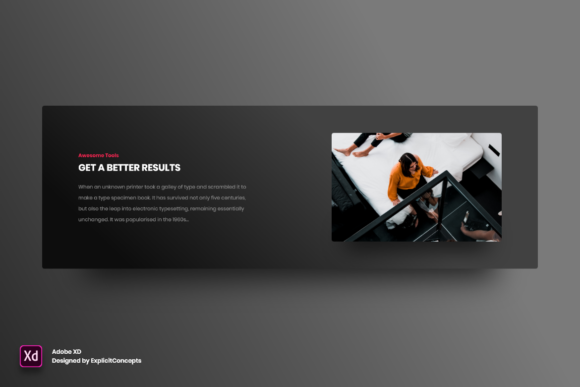
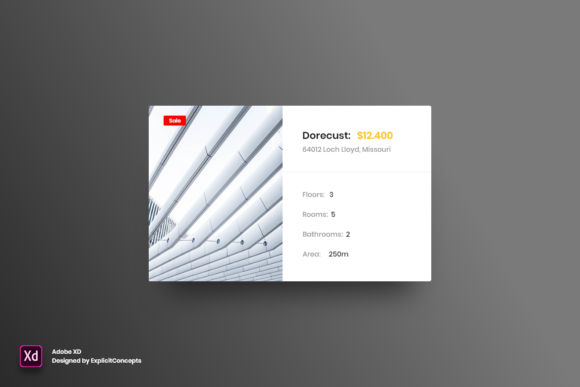
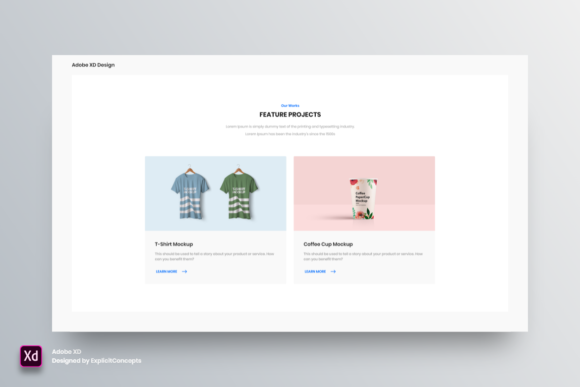
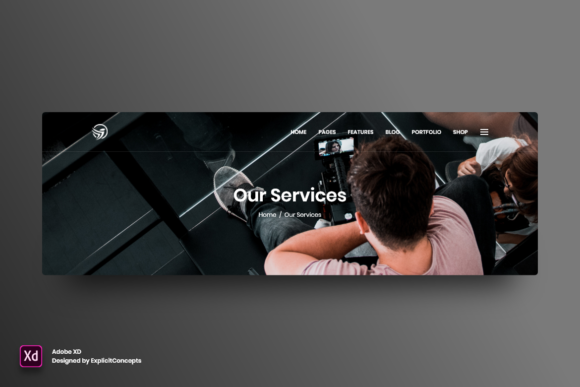
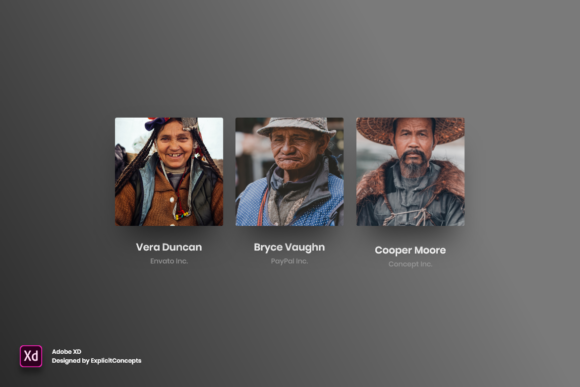
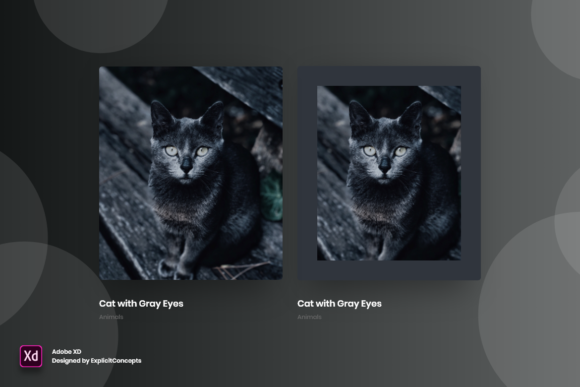
In the competitive landscape of digital design, the difference between a functional portfolio and a memorable one often lies in the micro-interactions. Static layouts convey information, but dynamic elements communicate polish and attention to detail. For designers working within the Adobe ecosystem, specifically those utilizing Adobe XD, finding high-quality, pre-built interaction components can significantly accelerate the prototyping phase. This is where resources like Portfolio Hover State Vol 05 - Adobe XD enter the workflow, offering a structured approach to implementing sophisticated hover effects without starting from scratch.
This asset pack is designed to address a common pain point for UI/UX professionals: the time-consuming nature of building consistent, smooth interactive states. By providing a library of ready-to-use hover animations, it allows creators to focus on broader architectural decisions rather than getting bogged down in the minutiae of component behavior. The following analysis explores the practical value, structural integrity, and usability of this resource for modern design teams and independent creators.
The Importance of Micro-Interactions in Modern Portfolios
Before evaluating the specific features of this volume, it is essential to understand why hover states matter. In user experience design, feedback is crucial. When a user moves their cursor over an interactive element, they expect a visual response that confirms the element is clickable or actionable. A well-executed hover state reduces cognitive load by clearly delineating interactive areas from static content.
For portfolios, which serve as both a showcase of work and a demonstration of design capability, these interactions are doubly important. They signal to potential clients or employers that the designer understands contemporary web standards and cares about the feel of the final product. However, creating these states manually in Adobe XD requires setting up component states, defining auto-animate triggers, and ensuring timing curves feel natural. This process, while rewarding, is repetitive. A dedicated resource like Portfolio Hover State Vol 05 aims to streamline this by providing a robust foundation of pre-configured interactions.
Structural Organization and Layer Management
One of the most critical aspects of any design asset is its internal organization. A beautifully designed component is nearly useless if the layer structure is chaotic, making it difficult to edit or integrate into an existing project. The developers of Portfolio Hover State Vol 05 - Adobe XD have prioritized clarity in this regard. The file is described as being fully organized with clear, logical naming conventions for all layers and groups.
This attention to detail has significant practical implications. When a designer imports these components into their own workspace, they need to be able to quickly identify which layer controls the background, which handles the text, and which manages the overlay effect. Clear naming eliminates the guesswork and reduces the risk of accidentally breaking a complex auto-animate sequence. For professional environments where files are often handed off between team members, this level of organization ensures that the asset remains maintainable and scalable. It reflects a professional standard that respects the user’s time and workflow efficiency.
Flexibility and Customization Capabilities
No two portfolios are identical, and rigid templates often fail because they cannot adapt to specific brand identities. The true value of Portfolio Hover State Vol 05 lies in its flexibility. The resource is marketed as fully editable, allowing users to modify texts, fonts, colors, and layout structures with ease. This is not merely a cosmetic feature; it is a functional necessity.
Consider a scenario where a photographer needs a minimalist, image-heavy hover effect, while a copywriter needs a text-centric interaction with subtle background shifts. Because the elements are vector-based and fully layered, designers can strip away unnecessary graphics, change color palettes to match client branding, or adjust typography to align with corporate style guides. The ability to move or remove elements without disrupting the underlying animation logic is a testament to the quality of the initial build. It suggests that the components were constructed using robust component states and smart animate principles, ensuring that modifications do not break the interaction.
Technical Specifications and Quality
The technical foundation of the asset is built for screen-based presentation. With a resolution of 72 DPI, it is optimized for web and digital display, which is the primary medium for portfolios. While some might argue for higher resolutions, 72 DPI is the standard for web graphics, ensuring that file sizes remain manageable and performance remains snappy during prototyping and eventual development handoff.
The format is native Adobe XD, which ensures compatibility with the software’s unique features, such as Auto-Animate and Component States. This specificity is an advantage for XD users, as it leverages the tool’s strengths rather than trying to force a generic format into a specialized workflow. The "ready to use" claim implies that the assets are not just raw shapes but fully functional components that can be dragged, dropped, and tested immediately. This immediacy is valuable for rapid prototyping, where speed to market or speed to client presentation is a priority.
Practical Applications and Target Audience
Who benefits most from Portfolio Hover State Vol 05 - Adobe XD? The utility spans a wide range of creative professionals. Freelancers and independent consultants often work under tight deadlines and limited budgets. For them, purchasing a high-quality asset pack is an investment in efficiency, allowing them to deliver polished results faster than if they built every interaction from zero. It levels the playing field, enabling solo practitioners to offer the same level of interactive sophistication as larger agencies.
Marketing teams and small business owners who manage their own digital presence will also find value here. These individuals may possess intermediate design skills but lack the deep technical expertise required to craft complex animations. A pre-built, easy-to-edit system allows them to enhance their online presence without needing to hire a specialized motion designer. Additionally, educators and students can use this resource as a learning tool. By deconstructing how the hover states are built—examining the layer hierarchy and the transition settings—learners can gain insights into best practices for UI animation in Adobe XD.
Evaluating Long-Term Value and Usability
When assessing the long-term value of a design resource, consistency is key. A single impressive component is nice, but a cohesive volume offers a design language. Portfolio Hover State Vol 05 provides a set of interactions that likely share a common aesthetic and behavioral logic. This consistency helps in creating a unified user experience across a portfolio site. When all buttons, cards, and links respond in a harmonious way, the overall perception of quality increases.
However, users should approach such resources with a critical eye. While the asset is "easy to use," it still requires a fundamental understanding of Adobe XD. Users must know how to override component properties and how to integrate these states into their main artboards. The resource is a tool, not a replacement for design thinking. It provides the mechanics, but the designer must provide the context. Furthermore, while the 72 DPI resolution is standard for web, designers working on high-density displays should ensure that their vector assets scale appropriately, though XD’s vector nature generally handles this well.
Final Thoughts on Workflow Integration
Incorporating Portfolio Hover State Vol 05 - Adobe XD into a design workflow can be a strategic move for those looking to elevate the interactivity of their projects. It addresses the gap between static design and dynamic prototyping, offering a bridge that is both technically sound and aesthetically versatile. The emphasis on organized layers and editability ensures that the resource remains useful beyond the initial implementation, adapting to various projects and client needs.
For professionals seeking to optimize their production time without sacrificing quality, this volume represents a practical solution. It allows designers to bypass the tedious setup phase and move directly to refinement and customization. As digital portfolios continue to evolve into more immersive experiences, having access to reliable, high-quality interaction components becomes less of a luxury and more of a standard requirement. This asset pack serves as a competent, efficient tool in that ongoing evolution, provided the user has the foundational skills to leverage its full potential.