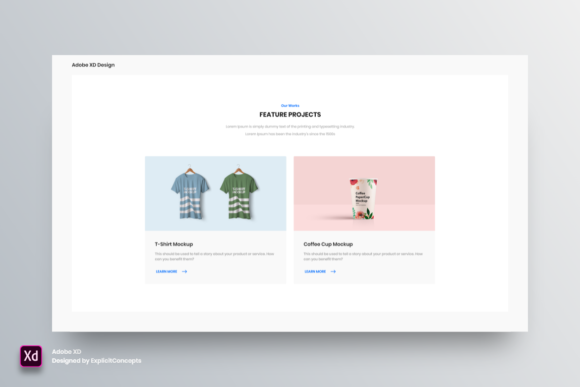
Enhancing Adobe XD Presentations with High-Fidelity Mockups
In the competitive landscape of digital design, the gap between a functional prototype and a compelling client presentation is often defined by context. Designers working within Feature Projects - Adobe XD understand that while wireframes and interactive prototypes demonstrate usability, they rarely convey the emotional impact or real-world application of a product. This is where high-quality, photo-based mockups become an essential component of the professional workflow. By integrating super realistic, unique, and stylish mockups into your design process, you transform abstract interfaces into tangible experiences that stakeholders can immediately understand and appreciate.
The value of these assets lies not just in their aesthetic appeal, but in their technical precision and ease of use. For professionals ranging from freelance UI designers to marketing teams in large enterprises, the ability to quickly place a design into a realistic environment saves time and elevates the perceived quality of the work. When evaluating resources for this purpose, several key characteristics stand out as indicators of a truly useful tool: resolution, editability, organization, and compatibility.
The Importance of Realism in Design Presentation
Presenting a flat screen design on a white background is efficient for internal reviews, but it lacks the persuasive power needed for final approvals or public portfolios. Human brains are wired to respond to context. A mobile app interface displayed on a sleek device held in a hand, with natural lighting and subtle shadows, triggers a different cognitive response than a static JPEG. It suggests usage, lifestyle, and viability.
This is why Feature Projects - Adobe XD workflows increasingly rely on external assets that bridge the gap between the digital canvas and physical reality. High-resolution, real photo-based mockups provide this bridge. They offer a level of fidelity that 3D renders sometimes struggle to achieve without significant rendering time. The texture of the device, the reflection on the screen, and the ambient light effects all contribute to a sense of authenticity. When clients see their project in such a detailed setting, their feedback often shifts from minor pixel-level critiques to broader strategic discussions, which is ultimately more productive for the project’s success.
Technical Excellence and Usability Features
Not all mockup resources are created equal. Many free or low-quality options suffer from poor lighting, inconsistent perspectives, or low resolution that becomes apparent when scaled. In contrast, premium assets designed for professional use prioritize technical excellence. Here is an analysis of the specific features that make a mockup package genuinely useful for modern designers:
- High Resolution 300 DPI: Print-ready quality is non-negotiable for serious professionals. Whether the final output is a high-density digital portfolio or a printed case study, 300 DPI ensures that every detail remains crisp. Low-resolution images degrade the perceived value of the design work they contain.
- Smart Object System: Efficiency is critical in tight deadlines. A well-constructed PSD file uses Smart Objects, allowing designers to simply double-click a layer, paste their Adobe XD export, save, and see the result instantly warped and perspective-corrected. This eliminates the need for manual transformation tools, which often result in distorted or unrealistic placements.
- Editable Background Color and Light Effects: Flexibility is key. A rigid mockup forces the designer to adapt their brand colors to the image. However, assets with editable background colors and adjustable light effects allow the environment to adapt to the design. This ensures that the mood of the presentation aligns perfectly with the brand identity.
- Well-Organized Layers: Time spent searching for the correct layer is time wasted. Professionally packaged files feature clearly named groups and layers. This organization extends to the inclusion of help files, which guide users through any complex features, ensuring that even those less familiar with advanced Photoshop techniques can achieve professional results.
Integration with Adobe XD Workflows
While the mockups themselves are typically Adobe Photoshop (PSD) files, their role in an Adobe XD workflow is seamless. The process usually begins in XD, where the interface design is finalized. The designer then exports the relevant screens as high-quality PNGs or JPGs. These exports are then imported into the PSD mockup file via the Smart Object layer.
This cross-application workflow leverages the strengths of both programs. Adobe XD excels at vector-based UI design, prototyping, and interaction logic. Photoshop excels at photo manipulation, compositing, and realistic rendering. By combining them, designers get the best of both worlds: precise interface control and photorealistic presentation. It is important to note that while XD does have some basic export capabilities, it does not natively generate complex, photo-realistic environmental contexts. Therefore, relying on high-quality external PSD mockups is not a workaround, but a standard industry practice for high-end deliverables.
Who Benefits Most from These Assets?
The utility of these mockup packages extends across various professional roles. Understanding who benefits most helps in determining whether this investment fits your specific needs.
- Freelance Designers and Agencies: For those selling services, perception is reality. High-quality mockups help justify premium pricing by presenting work in a polished, agency-standard format. They are particularly useful for pitch decks and proposal documents where first impressions matter.
- Product Managers and Marketers: When launching a new app or website, marketing materials need to look authentic. Mockups allow teams to create promotional images for social media, landing pages, and press kits before the actual product is fully coded or photographed in situ.
- Educators and Students: In academic settings, presenting student projects with professional-grade visuals helps bridge the gap between theoretical learning and industry expectations. It teaches students the importance of presentation alongside design fundamentals.
- Portfolio Builders: Job seekers in the creative industry face intense competition. A portfolio filled with flat screenshots blends into the background. A portfolio featuring trendy, stylish, and realistic mockups stands out, demonstrating attention to detail and an understanding of visual storytelling.
Practical Considerations and Limitations
While the benefits are clear, it is important to approach these tools with a balanced perspective. One limitation is the reliance on Adobe Photoshop. If a designer works exclusively in Adobe XD or other non-Adobe tools, they must have access to Photoshop to utilize PSD files effectively. There is a learning curve associated with mastering Smart Objects and layer management for those new to Photoshop.
Additionally, while "trendy" styles are appealing, they can date quickly. A mockup style that is popular today may look outdated in two years. Therefore, it is advisable to choose assets that balance current trends with timeless composition. Neutral backgrounds and classic lighting setups often have longer shelf lives than overly stylized, niche aesthetic choices. Designers should also be mindful of file sizes; high-resolution 300 DPI files can be large, requiring adequate storage and processing power.
Another consideration is consistency. Using too many different mockup styles within a single case study can create visual clutter. It is best to select a cohesive set of mockups that share similar lighting directions, color palettes, and photographic styles. This creates a unified narrative throughout the presentation.
Making the Right Choice for Your Projects
When selecting mockup resources, prioritize quality over quantity. A small library of versatile, high-resolution, and well-organized PSD files is far more valuable than a massive collection of mediocre assets. Look for packages that include help files and customer support, as these indicate a commitment to user experience from the creator.
Ultimately, the goal of using Feature Projects - Adobe XD in conjunction with superior mockups is to communicate design intent clearly and persuasively. These tools do not replace good design; they amplify it. By providing a realistic context, they allow the viewer to focus on the functionality and beauty of the interface rather than struggling to imagine how it would look in the real world. For professionals committed to excellence, investing in high-quality presentation assets is a logical step toward achieving better client outcomes and stronger professional recognition.
In conclusion, the integration of super realistic, unique, and useful mockups into your design toolkit is a strategic move. It enhances the visual impact of your work, streamlines the presentation process, and elevates the professional standard of your deliverables. Whether you are preparing a client pitch, updating your portfolio, or creating marketing materials, these assets provide the polish and realism necessary to stand out in a crowded digital landscape.