Mastering Modern Web Design: A Guide to Simple, Customizable Portfolio UI Elements
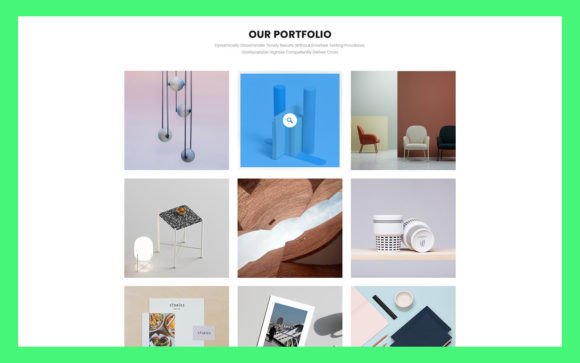
In the rapidly evolving digital landscape, a professional online presence is no longer just an advantage; it is a necessity. Whether you are a freelance graphic designer, a software developer, or a creative agency, your portfolio serves as the digital storefront for your skills. However, building a compelling portfolio from scratch can be daunting, often requiring extensive coding knowledge or advanced design expertise. This is where Portfolio UI Elements come into play. These pre-designed, fully customizable components offer a streamlined path to creating stunning, functional websites that captivate visitors and showcase work effectively.
Understanding how to leverage these elements can transform the way you approach web design. By focusing on simplicity, clean aesthetics, and ease of customization, you can create a platform that not only looks professional but also functions seamlessly across devices. This article explores the significance of using high-quality, editable UI kits, specifically those available in PSD format, and how they empower creators to build unique digital identities without starting from zero.
The Power of Simplicity in Digital Portfolios
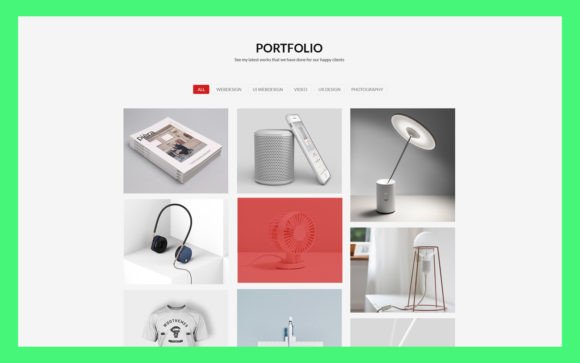
When it comes to user experience (UX), less is often more. A cluttered interface can overwhelm visitors, causing them to leave before they have even viewed your best work. The core philosophy behind modern Portfolio UI Elements is simplicity. A simple, clean, and modern design ensures that the focus remains squarely on your content—your projects, case studies, and achievements.
Simple designs are not merely aesthetically pleasing; they are highly functional. They load faster, are easier to navigate, and provide a better experience for users on mobile devices. For general readers and beginners, this means you do not need to be a coding expert to achieve a high-end look. By utilizing templates that prioritize whitespace, clear typography, and intuitive navigation, you ensure that your audience can find what they are looking for with minimal effort. This approach aligns perfectly with modern web standards, where accessibility and speed are paramount.
Why Clean Design Matters for Conversion
A clean design does more than just look good; it builds trust. When a potential client lands on a website that is organized and visually coherent, they subconsciously associate those qualities with your professional work. If your portfolio is chaotic, they may assume your work process is similarly disorganized. Conversely, a structured layout suggests precision and attention to detail. This is why choosing UI elements that offer a modern design is critical for business growth and personal branding.
Customization and Flexibility: The Role of PSD Files
One of the most significant advantages of using pre-made UI kits is the level of control they offer. While many website builders restrict you to rigid templates, working with source files in Adobe Photoshop (PSD) format provides unparalleled flexibility. This format is industry-standard, meaning it is compatible with a vast array of design tools and workflows.
For those who are new to design, the idea of editing a PSD file might seem intimidating. However, high-quality UI kits are designed with usability in mind. They feature fully organized layers, which means every element—from buttons and headers to images and text boxes—is separated and labeled clearly. This organization allows you to toggle visibility, adjust positions, and modify properties without affecting other parts of the design. You can easily swap out placeholder images with your own project screenshots, change text to reflect your bio, and rearrange sections to suit your narrative.
Effortless Color and Style Changes
Brand consistency is vital for recognition. Whether your personal brand uses bold, vibrant colors or a minimalist monochrome palette, your portfolio must reflect this identity. With customizable UI elements, changing the color style is incredibly easy. Most professional PSD templates use smart objects and adjustment layers, allowing you to update the entire color scheme with just a few clicks.
For example, if you decide to rebrand from blue to green, you do not need to manually recolor every button and icon. Instead, you can modify the master color layer, and the changes will propagate throughout the design. This feature saves hours of tedious work and ensures that your design remains cohesive. Furthermore, because these files operate in RGB color mode, they are optimized for screen display, ensuring that colors appear vibrant and accurate on laptops, tablets, and smartphones.
Typography and Readability: Leveraging Google Fonts
Typography plays a crucial role in how information is perceived. Poor font choices can make text difficult to read, while excellent typography enhances comprehension and engagement. Modern Portfolio UI Elements often integrate Google Fonts, a library of free, open-source fonts that are widely supported across web browsers.
Using Google Fonts offers several benefits. First, it ensures that your website loads quickly, as these fonts are hosted on reliable servers. Second, it provides a vast selection of typefaces, from classic serifs to modern sans-serifs, allowing you to match the tone of your portfolio. Whether you want a playful, creative vibe or a serious, corporate feel, there is a font combination that fits. By incorporating these fonts into your PSD template, you can preview exactly how your text will look on the live site, making the transition from design to development seamless.
Practical Applications for Various Professionals
The versatility of these UI elements makes them suitable for a wide range of users. Here is how different professionals can benefit:
- Freelancers: Quickly launch a professional site to attract clients without hiring a developer.
- Agencies: Create consistent landing pages for multiple campaigns or team members.
- Students: Build an impressive academic portfolio to showcase projects to potential employers.
- Photographers: Use image-centric layouts to highlight visual work with minimal distraction.
By providing a solid foundation, these templates allow users to focus on what matters most: curating their best work. Instead of spending weeks wrestling with code or design software, you can spend that time refining your portfolio content and marketing your services.
Common Misunderstandings About Template Usage
A common misconception is that using templates results in generic, cookie-cutter websites. While this can happen if users fail to customize their assets, the reality is quite different. A template is merely a skeleton; the flesh and blood come from your unique content, images, and branding choices. Because these PSD files are fully editable, two designers can start with the same template and end up with completely distinct websites. The key lies in thoughtful customization—changing images, adjusting colors, and rewriting copy to reflect your unique voice.
Another assumption is that PSD files are obsolete in an age of no-code builders. On the contrary, PSD remains a powerful tool for high-fidelity prototyping. It allows for pixel-perfect precision that drag-and-drop builders often lack. Once the design is finalized in Photoshop, it can be handed off to a developer for coding, or used as a visual guide for building in platforms like WordPress or Webflow.
Getting Started: Best Practices for Implementation
To get the most out of your Portfolio UI Elements, follow these practical steps:
- Audit Your Content: Before opening Photoshop, gather all the images, text, and links you plan to include. Having your assets ready streamlines the design process.
- Explore the Layers: Take time to understand the layer structure of your PSD file. Identify which layers control global styles and which are specific to individual sections.
- Maintain Consistency: Stick to a limited color palette and two or three font families. This prevents the design from looking cluttered.
- Optimize for Web: When exporting images, ensure they are compressed for fast loading times without sacrificing quality.
- Test Responsiveness: Although you are designing in a static format, keep mobile layouts in mind. Ensure that text is legible and buttons are clickable on smaller screens.
Conclusion
In conclusion, leveraging Portfolio UI Elements is a smart strategy for anyone looking to establish a strong online presence. By choosing templates that are simple, clean, and modern, you ensure that your work takes center stage. The ability to easily customize colors, edit layers in Adobe Photoshop, and utilize Google Fonts empowers you to create a unique brand identity without the steep learning curve of traditional web design.
Whether you are a beginner looking to launch your first site or an experienced designer seeking to streamline your workflow, these tools offer the perfect balance of convenience and creativity. Remember, the goal is not just to have a website, but to have a effective communication tool that showcases your talent and connects with your audience. Start exploring these customizable options today, and take the first step toward a more professional, impactful digital portfolio.