Mastering Modern Design with 2 Portfolio UI Elements for Creative Professionals
In the rapidly evolving digital landscape, the visual presentation of your work is often just as critical as the work itself. Whether you are a graphic designer, a web developer, or a creative agency owner, your portfolio serves as the primary bridge between your skills and potential clients. However, building a compelling online presence from scratch can be time-consuming and technically demanding. This is where pre-designed assets like 2 Portfolio UI Elements become invaluable tools for streamlining your workflow and elevating your brand identity.
These design resources are not merely templates; they are comprehensive solutions crafted to meet the high standards of modern web aesthetics. By leveraging 2 Portfolio UI Elements, creators can bypass the initial hurdles of layout design and focus on what truly matters: showcasing their unique projects. This article explores the features, benefits, and practical applications of these versatile UI components, helping you determine if they are the right fit for your next digital project.
Understanding the Core Value of Pre-Built UI Kits
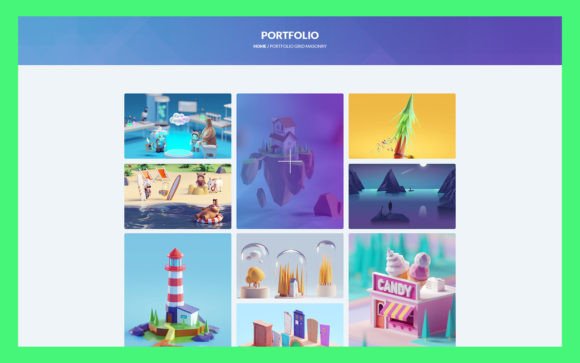
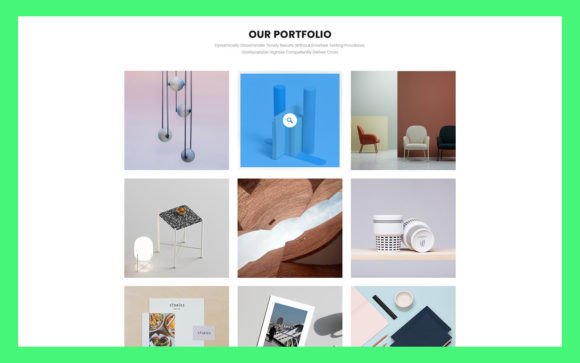
The term "UI Elements" refers to the individual components that make up a user interface, such as buttons, navigation bars, image galleries, and typography settings. When these elements are bundled into a cohesive kit, they provide a unified design language that ensures consistency across your website or application. The specific package known as 2 Portfolio UI Elements is designed with simplicity and customization in mind, making it accessible to users with varying levels of technical expertise.
One of the most significant advantages of using such a kit is the reduction of development time. Instead of spending hours coding CSS styles or arranging layers in design software, you can start with a fully organized foundation. This efficiency allows professionals to deliver projects faster, respond to client needs more agilely, and iterate on designs without starting from zero. For business owners, this translates to cost savings and a quicker time-to-market for new services or product launches.
Key Features That Drive Usability
To understand why 2 Portfolio UI Elements stand out in a crowded market, we must look at their specific characteristics. These features are engineered to support both aesthetic appeal and functional flexibility:
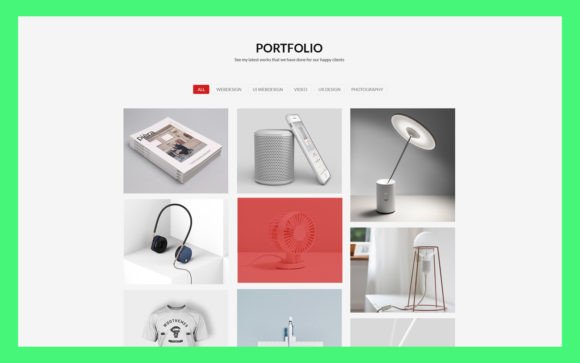
- Simple, Clean, and Modern Design: The visual style adheres to contemporary minimalist trends, ensuring that your content remains the focal point. Clutter is reduced, and whitespace is used effectively to guide the viewer’s eye.
- Fully Organized Layers: For designers working in Adobe Photoshop, the structure of the file is crucial. Every element is named and grouped logically, allowing for easy selection, editing, and manipulation without disrupting the overall layout.
- Easy Color Style Customization: Branding is personal. These elements allow you to change color schemes effortlessly, ensuring that the portfolio aligns perfectly with your existing brand guidelines or client preferences.
- Google Fonts Integration: Typography plays a pivotal role in user experience. The kit utilizes widely available Google Fonts, ensuring that your text renders beautifully across all devices and browsers without licensing complications.
- RGB Color Format: Optimized for screen display, the RGB color profile ensures that colors appear vibrant and accurate on digital devices, from smartphones to high-resolution monitors.
Who Benefits from Using 2 Portfolio UI Elements?
The versatility of 2 Portfolio UI Elements makes them suitable for a wide range of users. While they are explicitly designed for portfolios, their application extends far beyond personal showcase sites.
Creative Freelancers: For independent designers, photographers, and illustrators, a professional online presence is essential for securing contracts. These UI elements provide a polished look that instills confidence in potential clients, suggesting a high level of professionalism and attention to detail.
Digital Agencies: Agencies often need to create landing pages or service showcases for multiple clients. Having a customizable, high-quality base template allows teams to maintain consistent quality while reducing the billable hours spent on routine layout tasks.
App Developers: Before writing a single line of code, developers often need to prototype the look and feel of an application. Using PSD source files, developers can visualize the user journey and make design decisions early in the process, reducing the need for costly revisions during the development phase.
Small Business Owners: Entrepreneurs who manage their own websites can use these elements to create service pages, about sections, or contact forms that look professionally designed, even without a background in graphic design.
Practical Applications and Real-World Scenarios
Let us examine how 2 Portfolio UI Elements can be applied in real-world scenarios to solve common design challenges.
Scenario 1: The Career Pivot
Imagine a marketing professional transitioning into UX design. They have strong case studies but lack the design skills to build a website that reflects their new career path. By using 2 Portfolio UI Elements, they can drop their case study images and text into the pre-made layouts. The clean design ensures that their strategic thinking is highlighted, while the modern aesthetic signals that they are up-to-date with current design trends.
Scenario 2: The Agency Service Page
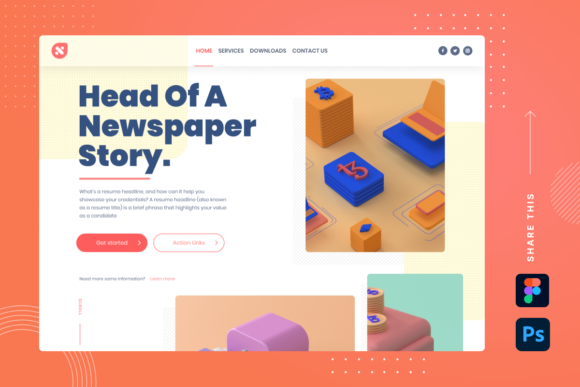
A web development agency wants to launch a new service offering: mobile app design. They need a landing page quickly to capture early interest. Using the customizable layers in the PSD file, they can adjust the color scheme to match their corporate branding, replace placeholder text with service descriptions, and swap out demo images with screenshots of their actual work. The result is a high-converting landing page created in a fraction of the time it would take to design from scratch.
Scenario 3: The E-commerce Product Showcase
While primarily for portfolios, these UI elements can also be adapted for e-commerce. A small boutique selling handmade goods can use the gallery features to showcase product lines. The emphasis on high-quality imagery and clean typography helps elevate the perceived value of the products, encouraging visitors to explore further.
Evaluating Suitability: Is This Right for Your Project?
While 2 Portfolio UI Elements offer numerous benefits, it is important to evaluate whether they align with your specific needs. Here are some considerations to keep in mind:
- Technical Proficiency: Although these elements are designed to be easy to use, they require basic familiarity with Adobe Photoshop. If you are not comfortable working with layers, masks, and smart objects, you may need to invest time in learning these skills or collaborate with a designer.
- Customization Limits: Pre-built templates provide a strong foundation, but they are not infinite in their flexibility. If your project requires highly unconventional layouts or complex interactive animations, you may find the static nature of PSD files limiting. In such cases, these elements serve best as a starting point for further custom development.
- Brand Uniqueness: Because these templates are available to the public, there is a possibility that other websites may share similar structural elements. To maintain uniqueness, it is crucial to leverage the customization features—changing colors, fonts, and imagery—to create a distinct visual identity.
Maximizing the Potential of Your UI Kit
To get the most out of 2 Portfolio UI Elements, consider adopting a strategic approach to customization. Start by defining your core brand colors and typography choices before opening the file. This preparation allows you to make global changes efficiently, ensuring consistency throughout the design.
Additionally, pay attention to the hierarchy of information. The clean design of these elements works best when content is concise and well-organized. Avoid overcrowding the layouts with excessive text or too many images. Instead, let the whitespace breathe, allowing each project or service to stand out on its own merits.
Finally, remember that the PSD file is just the beginning. Once you have finalized your design in Photoshop, you will need to translate it into a functional website or app. Collaborate closely with your development team to ensure that the visual nuances of the design are preserved during the coding process. Clear communication and detailed handoff notes can prevent discrepancies between the design mockup and the final live product.
Conclusion
In conclusion, 2 Portfolio UI Elements represent a powerful resource for anyone looking to enhance their digital presence with minimal friction. By combining a simple, clean, and modern design with fully organized layers and easy customization options, these tools empower creators to produce professional-grade results efficiently. Whether you are a freelancer showcasing your latest work, an agency launching a new service, or a business owner updating your online footprint, these UI elements provide the structure and style needed to succeed in a competitive digital world.
By understanding the features, recognizing the ideal use cases, and applying best practices for customization, you can transform these static design files into dynamic, engaging experiences for your audience. Embrace the efficiency of pre-built UI kits, but always infuse them with your unique creative vision to create something truly memorable.