Strategic Visuals: Maximizing Impact with a Digital Marketing Agency Promotion Post
In the saturated landscape of online business, visibility is not merely an advantage; it is a necessity. For agencies striving to capture attention in a split-second scroll, the quality and clarity of promotional materials can determine success or obscurity. A well-crafted Digital Marketing Agency Promotion Post serves as more than just an advertisement; it acts as a visual handshake, introducing your brand’s professionalism, creativity, and value proposition to potential clients. Understanding the technical and aesthetic components of these assets is crucial for any business owner, marketer, or creator looking to elevate their online presence.
The Anatomy of Effective Agency Promotion
At its core, a promotion post for a digital marketing agency must communicate authority and innovation simultaneously. It is not enough to simply state services; the design itself must reflect the expertise being offered. This is where the structural integrity of the design file becomes paramount. When utilizing templates or custom designs, professionals often look for specific technical specifications that ensure versatility and high-quality output across various platforms.
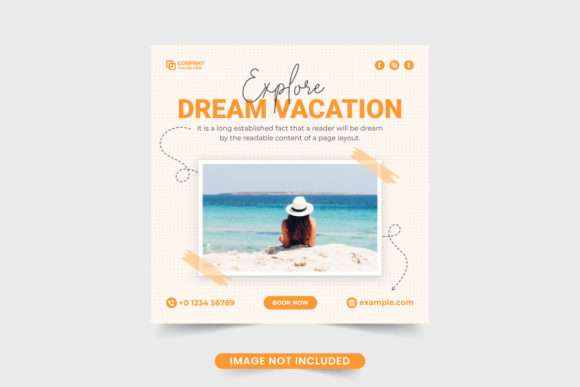
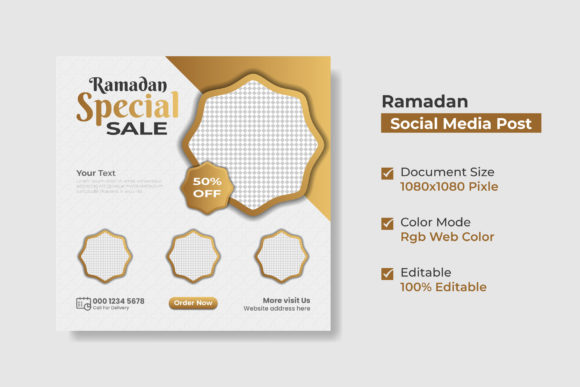
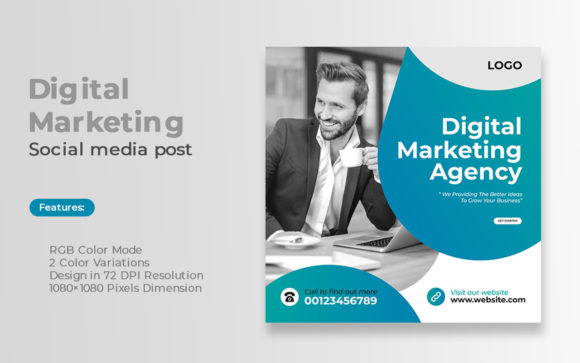
One of the most critical aspects of modern design assets is their adaptability. A standard Digital Marketing Agency Promotion Post is typically designed with square dimensions, such as 1080×1080 pixels. This dimension is not arbitrary; it is the gold standard for major social media platforms including Instagram, Facebook, and LinkedIn. By adhering to this square format, agencies ensure that their content displays optimally on both mobile devices and desktop screens, avoiding awkward cropping or pixelation that can detract from brand credibility.
Technical Specifications and Quality Standards
While the visual appeal is immediate, the underlying technical details dictate the longevity and usability of the design. High-resolution output is non-negotiable. Designs rendered at 72 DPI (Dots Per Inch) are specifically optimized for screen display. Unlike print media, which requires 300 DPI for sharpness, digital screens render images efficiently at 72 DPI, ensuring fast loading times without sacrificing visual clarity. This balance is essential for maintaining user engagement, as slow-loading images can lead to higher bounce rates.
Furthermore, the color mode plays a significant role in how your brand is perceived. Professional designs utilize the RGB Color Mode, which stands for Red, Green, and Blue. This additive color model is designed specifically for electronic displays. By using RGB, designers can leverage a broader spectrum of vibrant colors that appear luminous and engaging on screens. Attempting to use CMYK (a print-based color mode) for digital posts often results in dull, muted colors that fail to capture the dynamic energy required for effective digital marketing.
Versatility Through Customization
No two agencies are identical, and therefore, no two promotion posts should look exactly the same. The true value of a professional design template lies in its editability. A robust Digital Marketing Agency Promotion Post template allows for comprehensive customization, enabling users to align the visual elements with their specific brand identity. This includes changing text, adjusting layouts, and modifying graphical elements to suit seasonal campaigns, service launches, or client testimonials.
When evaluating design resources, it is essential to check for file formats that support this level of flexibility. The inclusion of an EPS (Encapsulated PostScript) file is a hallmark of professional-grade design assets. EPS files are vector-based, meaning they can be scaled infinitely without losing quality. More importantly, they are compatible with industry-standard software like Adobe Illustrator, allowing designers to manipulate individual elements with precision. Whether you need to resize a logo, change the curvature of a shape, or adjust the spacing between elements, an EPS file provides the necessary control.
The Role of Typography in Brand Communication
Typography is often the unsung hero of graphic design. The choice of font can convey stability, innovation, luxury, or approachability. In the context of a Digital Marketing Agency Promotion Post, clarity and modernity are key. Many high-quality templates utilize free, open-source fonts such as Montserrat. This geometric sans-serif typeface is renowned for its readability and contemporary feel, making it an excellent choice for digital interfaces.
Using widely available fonts like Montserrat offers a practical advantage: accessibility. Since the font is free and commonly installed, collaborators or clients can view and edit the design without needing to purchase expensive licenses or download obscure typefaces. This streamlines the workflow and ensures that the visual consistency of the brand is maintained across different teams and devices.
Color Variations and Psychological Impact
Color is a powerful psychological tool in marketing. A sophisticated design package often includes 2 Color Variations, providing users with immediate options to test different aesthetic approaches. For instance, one variation might use a dark background with neon accents to convey tech-savviness and innovation, while the other might use a light, clean background with bold primary colors to suggest transparency and trustworthiness.
Having multiple color variations allows agencies to A/B test their promotional content. By rotating between different color schemes, marketers can gather data on which visuals resonate more with their target audience. This data-driven approach to design ensures that the Digital Marketing Agency Promotion Post is not just a static image, but a dynamic tool for audience engagement and conversion optimization.
Practical Applications and Real-World Scenarios
Understanding the features of these design assets is only half the battle; knowing how to apply them effectively is where the real value lies. Consider a mid-sized digital marketing agency launching a new SEO service package. Using a customizable 1080×1080 template, the social media manager can quickly update the text to highlight key benefits, swap in the agency’s logo, and adjust the colors to match the campaign’s theme. Because the file is fully editable and uses standard fonts like Montserrat, this process takes minutes rather than hours.
Another scenario involves a freelance consultant who needs to maintain a consistent professional presence on LinkedIn. By utilizing a template with RGB color mode and 72 DPI resolution, the consultant ensures that every post looks crisp and professional on mobile feeds. The inclusion of EPS files means that if the consultant decides to rebrand or update their logo, they can easily integrate the new vector graphics into existing promotional posts without starting from scratch.
Evaluating Suitability for Your Needs
When selecting design resources for your agency, consider the following factors to ensure suitability:
- Platform Compatibility: Ensure the dimensions (1080×1080) align with your primary social media channels.
- Software Proficiency: Verify that you or your team have access to software capable of editing EPS files, such as Adobe Illustrator or compatible vector editors.
- Brand Alignment: Check if the included color variations and font choices (like Montserrat) can be easily adapted to match your existing brand guidelines.
- Resolution Requirements: Confirm that the 72 DPI resolution is sufficient for your digital-only needs, keeping in mind that these files are not intended for high-quality print production.
Limitations and Considerations
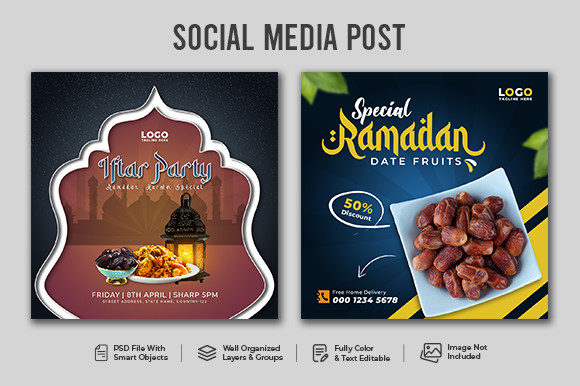
While these templates offer significant advantages, it is important to recognize their limitations. As noted, the 72 DPI resolution is optimized for screens. If you intend to use the design for printed brochures or large-format banners, you will need to recreate the design at a higher resolution (300 DPI) to avoid pixelation. Additionally, while the Digital Marketing Agency Promotion Post is fully editable, the actual images used within the design are typically not included due to licensing restrictions. Users must source their own stock photography or original imagery to populate the placeholders.
Moreover, relying heavily on templates can sometimes lead to a generic appearance if not customized thoroughly. To stand out, it is crucial to inject unique brand elements, custom copy, and distinct visual flair into the template. The goal is to use the structure as a foundation, not a crutch.
Conclusion
In the fast-paced world of digital marketing, efficiency and quality must go hand in hand. A professionally designed Digital Marketing Agency Promotion Post provides the perfect blend of both. By leveraging technical specifications like RGB color mode, 72 DPI resolution, and 1080×1080 dimensions, agencies can ensure their content is optimized for digital consumption. The flexibility offered by EPS files and free fonts like Montserrat empowers creators to customize designs rapidly, while multiple color variations allow for strategic testing and refinement.
Ultimately, the value of these design assets lies in their ability to streamline the creative process without compromising on professional standards. For business owners, marketers, and creators, understanding and utilizing these tools is a step toward building a more cohesive, impactful, and visually compelling online presence. By focusing on usefulness, clarity, and adaptability, you can transform simple promotional posts into powerful engines for growth and engagement.